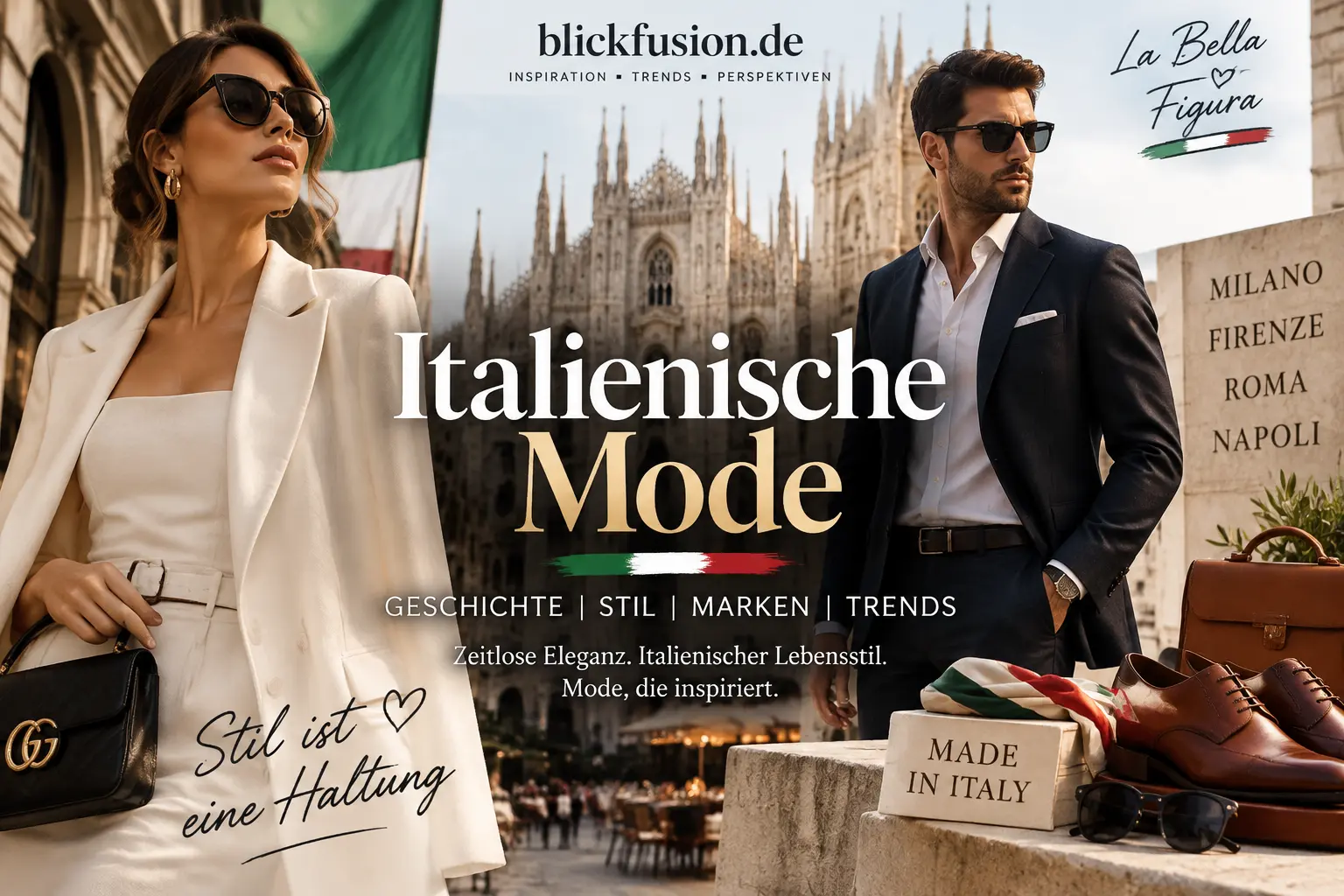
Fashion is more than clothing; it is a reflection of culture, history, craftsmanship, and personal identity. Among the world’s most influential fashion cultures, italienische Mode has built a unique reputation for combining elegance, quality, creativity, and timeless design. From luxury fashion houses in Milan to traditional artisans in Florence, Italian style represents a balance between heritage and modern innovation.
When people think about italienische Mode, they often imagine perfectly tailored suits, luxurious fabrics, elegant dresses, handcrafted leather products, and iconic designer brands. However, Italian fashion is not only about luxury labels. It is also about everyday style, confidence, attention to detail, and the philosophy of looking refined without appearing overly complicated.
The global popularity of italienische Mode comes from decades of craftsmanship, influential designers, and a strong connection between fashion and Italian culture. Today, Italian fashion continues to evolve by combining traditional techniques with sustainable practices, digital innovation, and changing consumer expectations.
Was versteht man unter italienische Mode?
Italienische Mode beschreibt den einzigartigen Stil, die Designs, die Herstellungstraditionen und die Fashion-Kultur Italiens. Sie umfasst sowohl internationale Luxusmarken als auch kleine Familienbetriebe, die seit Generationen hochwertige Kleidung, Schuhe, Taschen und Accessoires herstellen.
But what makes Italian fashion different from other fashion styles?
The answer lies in the combination of several important elements:
- hochwertige Materialien
- präzise Verarbeitung
- elegante Silhouetten
- handwerkliche Tradition
- innovative Designs
- zeitlose Ästhetik
Italian clothing brands are known for creating pieces that are not designed only for one season. Many Italian garments focus on durability, comfort, and long-term value. A well-made Italian jacket, leather bag, or pair of shoes can remain stylish for many years because the design is based on classic principles rather than temporary trends.
A major part of Italian fashion culture is the idea of “La Bella Figura”. This concept describes the importance of presenting yourself with confidence, elegance, and respect through appearance and personal style. Fashion in Italy is often considered a form of communication that shows personality and lifestyle.
Die Geschichte der italienischen Mode und ihre Entwicklung
The roots of Italian fashion go back centuries. Italian cities such as Florence, Venice, Rome, and Milan developed strong traditions in textiles, craftsmanship, jewelry, and luxury goods. During the Renaissance period, Italian cities became important centers for art, creativity, and high-quality production.
Florence played a major role in the early development of luxury fashion. Skilled craftsmen created fine fabrics, leather products, and decorative items that became symbols of wealth and artistic excellence.
In the 20th century, Italy experienced a major fashion transformation. After World War II, Italian designers started gaining international recognition by creating clothing that combined traditional craftsmanship with modern elegance.
The 1950s and 1960s were especially important for Italian fashion. Florence became a major fashion destination, while events such as fashion presentations at Palazzo Pitti helped introduce Italian designers to global audiences.
Later, Milan became the center of modern Italian fashion. Designers introduced ready-to-wear collections that made luxury style more accessible while maintaining high standards of quality.
The rise of famous Italian fashion houses changed the global industry. Designers such as Giorgio Armani, Gianni Versace, Valentino Garavani, and Miuccia Prada created new approaches to tailoring, luxury, and contemporary design.
Today, Italian fashion continues to combine historical craftsmanship with modern technology, sustainability, and changing lifestyle needs.
Warum italienische Mode weltweit bekannt ist
Italian fashion has achieved worldwide recognition because it represents a combination of tradition, innovation, and emotional connection.
One major reason is the reputation of Made in Italy. Consumers associate Italian products with quality, authenticity, and skilled craftsmanship.
The popularity of Italian fashion comes from several factors:
- Exceptional craftsmanship passed through generations
- Strong attention to fabric quality and details
- Famous international fashion houses
- Unique regional fashion traditions
- Connection between art, culture, and design
Italian designers have also influenced global fashion by introducing new ideas about elegance and luxury. Instead of focusing only on expensive materials, Italian style often emphasizes balance, proportion, comfort, and personality.
Another reason for its success is versatility. Italian fashion can represent luxury runway designs but can also influence everyday clothing choices. A simple linen shirt, leather shoes, tailored blazer, or elegant handbag can reflect Italian style without requiring a complete luxury wardrobe.
Modern fashion consumers also appreciate authenticity. In a world dominated by fast fashion, many people are searching for products with history, craftsmanship, and lasting value. This has increased interest in Italian clothing brands and traditional manufacturing.
Die wichtigsten Merkmale des italienischen Stils
Italian style is recognized worldwide because it follows certain principles that make clothing appear sophisticated and natural.
Elegance without excess
Italian fashion usually avoids unnecessary decoration. The focus is often on clean lines, balanced colors, and excellent fitting.
High-quality fabrics
Materials play an essential role in Italian clothing. Designers often choose premium wool, silk, cotton, cashmere, and leather to create comfortable and durable pieces.
Perfect tailoring
One of the strongest characteristics of Italian style is the attention to fit. Whether it is a men’s suit or women’s dress, proper proportions are considered essential.
Combination of tradition and modernity
Italian fashion respects historical techniques while continuously experimenting with new ideas. This creates a style that feels classic but never outdated.
Personal expression
Italian fashion is not only about following trends. It encourages people to develop their own style and wear clothing with confidence.
Italienische Mode und die Bedeutung von Made in Italy
The term Made in Italy is one of the strongest symbols in the global fashion industry. It represents more than a country of production; it represents a philosophy based on craftsmanship, quality, creativity, and attention to detail.
But why is Made in Italy so valuable in fashion?
The answer comes from Italy’s long tradition of skilled artisans and specialized manufacturing regions. Many Italian fashion products are created using techniques that have been developed and improved over generations. From leather workshops in Florence to textile producers in northern Italy, traditional knowledge continues to influence modern fashion.
Made in Italy is especially associated with:
- hochwertige Verarbeitung
- exklusive Materialien
- handwerkliche Präzision
- langlebige Designs
- authentische Produktionsmethoden
Italian luxury brands often combine advanced technology with traditional craftsmanship. This balance allows them to create products that meet modern consumer expectations while maintaining historical value.
For many buyers, Italian clothing is not only a fashion choice but also an investment. A carefully produced leather bag, tailored jacket, or designer shoe can maintain its appearance and value for years.
Another important aspect of Made in Italy is regional specialization. Different areas of Italy have developed expertise in specific fashion categories:
- Florence is famous for leather craftsmanship.
- Milan is known for luxury fashion and contemporary design.
- Biella is recognized for high-quality textiles.
- Naples is known for traditional tailoring.
This regional diversity makes Italian fashion unique because it connects products with their cultural origins.
Die bekanntesten italienischen Modemarken und Luxuslabels
Italian fashion has produced some of the most influential brands in the world. These companies have shaped global trends and introduced millions of people to Italian design principles.
Gucci
Gucci is one of the most recognizable Italian luxury fashion brands worldwide. Founded in Florence, the brand became famous for leather goods, handbags, accessories, and modern luxury collections.
The brand represents a combination of Italian craftsmanship, creativity, and bold fashion statements.
Prada
Prada is known for intellectual design, minimalist aesthetics, and innovative approaches to luxury fashion. The brand has influenced modern fashion by combining simplicity with advanced creativity.
Prada collections often focus on refined materials, unique concepts, and sophisticated designs.
Giorgio Armani
Armani represents elegance, simplicity, and timeless style. The brand became internationally famous for redefining modern tailoring, especially through its approach to men’s suits and professional clothing.
The Armani style focuses on:
- clean silhouettes
- comfortable luxury
- neutral colors
- sophisticated design
Versace
Versace is recognized for glamorous designs, strong patterns, vibrant colors, and bold luxury fashion. Founded by Gianni Versace, the brand became an important symbol of confidence and Italian creativity.
Dolce & Gabbana
Dolce & Gabbana combines Italian cultural influences with luxury fashion. The brand often incorporates Mediterranean inspiration, traditional elements, and expressive designs.
Valentino
Valentino is famous for elegant haute couture, romantic designs, and exceptional craftsmanship. The brand represents the artistic side of Italian luxury fashion.
Bottega Veneta
Bottega Veneta is known for its premium leather craftsmanship and understated luxury approach. The brand focuses on quality, material excellence, and sophisticated design rather than visible branding.
Other important Italian clothing brands
Italian fashion also includes many respected brands beyond the biggest luxury names:
- Max Mara
- Salvatore Ferragamo
- Ermenegildo Zegna
- Loro Piana
- Brunello Cucinelli
- Liu Jo
These brands represent different aspects of Italian fashion, including luxury, tailoring, casual elegance, and craftsmanship.
Berühmte Designer hinter der italienischen Modewelt
Italian fashion has been shaped by visionary designers who changed the way people understand clothing and luxury.
Giorgio Armani and modern elegance
Giorgio Armani transformed traditional tailoring by creating softer, more comfortable silhouettes. His designs introduced a new understanding of professional elegance and influenced fashion worldwide.
Gianni Versace and expressive luxury
Gianni Versace brought energy, creativity, and confidence into Italian fashion. His designs became famous for bold colors, artistic patterns, and glamorous appearances.
Valentino Garavani and haute couture
Valentino became known for romantic elegance and exceptional craftsmanship. His creations represent the connection between fashion and art.
Miuccia Prada and intellectual fashion
Miuccia Prada introduced a more experimental approach to luxury fashion. Her designs often challenge traditional ideas while maintaining sophistication.
Domenico Dolce and Stefano Gabbana
The founders of Dolce & Gabbana created a fashion identity inspired by Italian heritage, Mediterranean culture, and emotional storytelling.
The new generation of Italian designers
Modern Italian designers continue to combine traditional skills with sustainability, technology, and changing consumer expectations. The future of Italian fashion depends on maintaining heritage while adapting to a digital and environmentally conscious world.
Italienische Mode 2026: Aktuelle Trends und Entwicklungen
The fashion industry is changing rapidly, and Italian fashion in 2026 reflects a balance between heritage, innovation, sustainability, and modern consumer expectations. While traditional craftsmanship remains the foundation of Italian design, new trends are shaping how brands create, produce, and present fashion.
One of the biggest developments in Italian fashion is the movement toward conscious luxury. Consumers are increasingly interested in where products come from, how they are produced, and how long they can be used. Italian brands are responding by focusing on responsible materials, ethical production methods, and timeless designs.
What are the major Italian fashion trends in 2026?
Sustainable luxury fashion
Sustainability has become an important part of the modern fashion industry. Many Italian fashion brands are exploring recycled materials, environmentally responsible production, and longer-lasting clothing concepts.
Instead of encouraging constant replacement, the modern Italian fashion approach focuses on:
- buying fewer but better-quality pieces
- choosing durable materials
- supporting traditional craftsmanship
- reducing unnecessary waste
This approach connects strongly with the original philosophy of Italian fashion, where quality has always been more important than quantity.
The return of timeless style
In 2026, Italian fashion continues to move toward classic designs that remain attractive beyond seasonal trends.
Popular examples include:
- tailored jackets
- elegant coats
- leather accessories
- neutral color combinations
- well-fitted trousers
- classic footwear
This reflects the idea that true style is not only about following trends but creating a personal identity.
Digital innovation in Italian fashion
Italian fashion houses are also adapting to digital transformation. Technology is influencing:
- online shopping experiences
- virtual fashion presentations
- personalized recommendations
- digital customer experiences
However, technology is being combined with traditional craftsmanship rather than replacing it.
Modern Italian street style
Italian street style in 2026 combines luxury elements with everyday comfort. Younger generations are mixing designer pieces with casual clothing to create a more personal fashion identity.
Common elements include:
- premium sneakers
- oversized jackets
- elegant basics
- vintage-inspired pieces
- sustainable clothing choices
Der Einfluss von Mailand auf die italienische Mode
When discussing Italian fashion, Milan plays a central role. The city is internationally recognized as one of the most important fashion capitals in the world.
Why is Milan so important for Italian fashion?
Milan combines business, creativity, luxury brands, designers, and international fashion events. The city has created an environment where fashion is connected with innovation and global influence.
The Milan fashion scene includes:
- luxury fashion houses
- independent designers
- fashion schools
- international buyers
- creative industries
Milan Fashion Week
Milan Fashion Week is one of the most influential fashion events worldwide. It provides a platform where Italian and international designers present their latest collections.
The event highlights:
- new fashion trends
- emerging designers
- luxury collections
- innovative concepts
It also strengthens Milan’s position as a global fashion destination.
Quadrilatero della Moda
The Quadrilatero della Moda is one of Milan’s most famous luxury shopping districts. It represents the connection between Italian craftsmanship, luxury brands, and fashion culture.
Important streets include:
- Via Montenapoleone
- Via della Spiga
- Corso Venezia
- Via Manzoni
This area attracts fashion enthusiasts from around the world who want to experience Italian luxury fashion.
Florenz, Rom und andere wichtige Modezentren Italiens
Although Milan is the modern fashion capital, other Italian cities also play an important role in the development of Italian fashion.
Florence: Tradition and craftsmanship
Florence has a special connection with Italian fashion history. The city is famous for leather production, artisan workshops, and traditional craftsmanship.
Florence represents:
- handmade leather products
- luxury accessories
- historic fashion traditions
- artistic design
The city continues to attract people interested in authentic Italian craftsmanship.
Rome: Elegance and cultural influence
Rome combines fashion with history, art, and cinema. The city has influenced Italian style through its connection with luxury design, film culture, and traditional elegance.
Roman fashion often reflects:
- sophisticated designs
- classic beauty
- cultural heritage
- refined luxury
Naples: Tailoring excellence
Naples is known for its exceptional tailoring tradition, especially in men’s fashion. Neapolitan tailors are respected for creating handmade suits with unique construction techniques.
Other Italian fashion regions
Italy’s fashion identity is also shaped by many smaller regions:
- Biella for premium textiles
- Veneto for craftsmanship
- Tuscany for leather goods
- Emilia-Romagna for specialized production
This regional diversity is one reason Italian fashion remains globally respected.
Italienische Mode für Damen: Eleganz, Trends und Styling
Italian women’s fashion is known for combining elegance, confidence, and practicality. It focuses on creating outfits that look refined while remaining comfortable.
What defines Italian women’s style?
The main characteristics include:
- feminine silhouettes
- high-quality fabrics
- balanced colors
- elegant accessories
- attention to details
Italian women often prefer a wardrobe built around versatile pieces that can be styled in multiple ways.
Popular elements of Italian women’s fashion include:
Elegant dresses
Italian dresses often focus on flattering shapes, quality materials, and timeless designs.
Tailored jackets
A well-fitted blazer is considered an essential piece because it can transform both casual and formal outfits.
Leather accessories
Italian handbags, shoes, and belts are globally admired because of their craftsmanship and durability.
Minimal but sophisticated styling
Italian women’s fashion often follows the principle of looking polished without appearing excessive.
Lesen Sie unseren ausführlichen Ratgeber zum Thema Ferien Bayern 2027.
Italienische Mode für Herren: Klassischer Stil und moderne Looks
Italian men’s fashion is internationally recognized for its combination of elegance, confidence, and excellent tailoring. The Italian approach to men’s clothing focuses on creating a balanced appearance where comfort, quality, and personal style work together.
What makes Italian men’s style different?
The answer is not only expensive clothing but also attention to details. Italian men’s fashion focuses on the correct fit, high-quality materials, and the ability to combine classic and modern elements.
Important characteristics of Italian men’s fashion include:
- perfekt geschnittene Anzüge
- hochwertige Hemden
- elegante Schuhe
- natürliche Farben
- hochwertige Stoffe
- bewusste Accessoire-Auswahl
Der italienische Anzugstil
The Italian suit is one of the most recognized symbols of Italian fashion. Unlike some traditional formal styles that focus on heavier structures, Italian tailoring often creates a lighter and more comfortable appearance.
Important features include:
- schlanke Silhouette
- weiche Schulterkonstruktion
- hochwertige Wolle
- präzise Verarbeitung
- natürliche Bewegungsfreiheit
Cities such as Milan and Naples have developed different tailoring traditions. Milanese tailoring is often associated with modern business elegance, while Neapolitan tailoring is famous for handmade craftsmanship and relaxed construction.
Smart Casual im italienischen Stil
Modern Italian men’s fashion is not limited to formal suits. Smart casual style has become increasingly popular because it combines elegance with everyday comfort.
Typical combinations include:
- hochwertige Jeans mit einem Sakko
- Leinenhemden mit eleganten Hosen
- Lederschuhe mit modernen Freizeitoutfits
- klassische Mäntel mit minimalistischen Basics
The goal is to look naturally stylish rather than overly prepared.
Nachhaltigkeit und Zukunft der italienischen Mode
The future of Italian fashion is strongly connected with sustainability, innovation, and responsible production. While Italian fashion has always valued quality and durability, modern brands are expanding these principles to meet environmental challenges.
Why is sustainability important for Italian fashion?
Because traditional Italian craftsmanship already focuses on creating products that last longer. This philosophy naturally connects with sustainable fashion concepts.
Important developments include:
- Verwendung nachhaltiger Materialien
- bessere Produktionsprozesse
- Reparatur und Wiederverwendung hochwertiger Produkte
- Reduzierung von Textilabfällen
- transparente Lieferketten
Slow Fashion und italienische Handwerkskunst
Slow fashion represents a different approach from fast fashion. Instead of producing large quantities quickly, slow fashion focuses on:
- Qualität statt Quantität
- langlebige Produkte
- bewussten Konsum
- traditionelle Herstellung
Many Italian artisans have followed these principles for generations.
Die Rolle kleiner italienischer Manufakturen
Small workshops continue to play an important role in Italian fashion. These businesses preserve techniques that cannot easily be replaced by mass production.
They contribute through:
- handgefertigte Lederwaren
- individuelle Schneiderei
- traditionelle Textilverarbeitung
- besondere Qualitätskontrolle
Italienische Mode im Alltag: So trägt man den italienischen Stil
Italian style is not only found on fashion runways. It can also be integrated into everyday clothing choices.
How can you create an Italian-inspired look?
The key is focusing on quality, simplicity, and good combinations.
Die wichtigsten Prinzipien des italienischen Alltagsstils
Qualität vor Menge
Instead of owning many low-quality items, Italian style encourages choosing fewer pieces with better materials and construction.
Perfekte Passform
Even simple clothing looks elegant when it fits correctly. Tailoring plays an important role in achieving a refined appearance.
Neutrale Farben kombinieren
Classic Italian wardrobes often include:
- Schwarz
- Weiß
- Beige
- Marineblau
- Grau
- Braun
These colors are easy to combine and create timeless outfits.
Hochwertige Accessoires verwenden
Accessories can completely change an outfit. Italian fashion often uses accessories as important style elements rather than simple decorations.
Examples include:
- leather belts
- watches
- sunglasses
- scarves
- handbags
Die beliebtesten Kleidungsstücke der italienischen Fashion-Kultur
Certain clothing pieces have become closely connected with Italian fashion identity. These items represent elegance, practicality, and craftsmanship.
Der Blazer
A tailored blazer is one of the most versatile pieces in Italian wardrobes. It can be worn for business meetings, dinners, or casual occasions.
Das weiße Hemd
A high-quality white shirt represents simplicity and sophistication. It can be combined with suits, jeans, or elegant trousers.
Lederjacken
Italian leather jackets are valued for their craftsmanship, durability, and timeless appearance.
Kaschmir und hochwertige Strickwaren
Luxury materials such as cashmere represent comfort and refined style.
Elegante Schuhe
Shoes are considered a crucial part of Italian style. Well-made leather shoes can transform an entire outfit.
Italienische Schuhe, Taschen und Accessoires als Stil-Elemente
Italian accessories are among the most respected products in the international fashion market. They represent craftsmanship, functionality, and design excellence.
Italienische Lederschuhe
Italy has a long tradition of producing premium footwear. Italian shoes are known for:
- hochwertige Lederqualität
- handwerkliche Verarbeitung
- Komfort
- klassische Designs
Popular styles include:
- Loafers
- Oxford-Schuhe
- Boots
- elegante Sneaker
Italienische Taschen
Italian handbags have become symbols of luxury and craftsmanship. Many are produced using traditional leather techniques combined with modern design.
Important qualities include:
- langlebige Materialien
- präzise Nähte
- funktionales Design
- hochwertige Verarbeitung
Accessoires als Ausdruck der Persönlichkeit
In Italian fashion culture, accessories help complete an individual style. A carefully selected watch, scarf, belt, or handbag can create a more polished appearance.
Luxusmode und traditionelle Handwerkskunst in Italien
Italian luxury fashion is built on a strong connection between creativity, heritage, and craftsmanship. Unlike mass-produced clothing, luxury fashion in Italy focuses on precision, exclusivity, and the value of human skills.
What makes Italian luxury fashion special?
The answer is the combination of centuries-old techniques with modern design concepts. Many Italian fashion houses continue to work with skilled artisans who create products through detailed processes that require experience and expertise.
Traditional Italian craftsmanship is especially important in areas such as:
- Lederverarbeitung
- Schneiderei
- Schuhherstellung
- Textilproduktion
- Schmuckdesign
Italian artisans often spend years learning specialized techniques. This knowledge is passed from one generation to another, creating a connection between history and modern fashion.
Die Bedeutung von italienischem Lederhandwerk
Italian leather craftsmanship is one of the most respected traditions in the fashion world. Regions such as Tuscany are famous for producing high-quality leather goods.
Italian leather products are valued because of:
- natürliche Materialien
- sorgfältige Verarbeitung
- langlebige Qualität
- zeitloses Design
Luxury handbags, shoes, belts, and accessories often represent the perfect combination of function and beauty.
Maßanfertigung und italienische Schneiderkunst
Tailoring is another important part of Italian fashion culture. Especially in cities like Naples and Milan, traditional tailoring continues to influence modern menswear.
A handmade suit involves many detailed steps:
- Auswahl hochwertiger Stoffe
- genaue Körperanpassung
- handgenähte Details
- individuelle Anpassungen
This creates clothing that is designed around the person rather than standard measurements.
Italienische Mode online kaufen: Worauf sollte man achten?
Buying Italian clothing online has become increasingly popular because customers can access Italian fashion brands from anywhere in the world. However, choosing authentic products requires attention to several important factors.
What should you consider before buying Italian fashion online?
Die Echtheit der Marke prüfen
The popularity of Italian fashion has also increased the number of imitations. Before purchasing, customers should check:
- Markeninformationen
- Produktdetails
- Materialbeschreibung
- Händlerqualität
- Rückgabemöglichkeiten
Qualität der Materialien verstehen
A higher price does not always guarantee better quality. Understanding materials helps buyers make better decisions.
Important details include:
- Stoffzusammensetzung
- Lederqualität
- Verarbeitung
- Herkunft der Produktion
Den richtigen Stil auswählen
Italian fashion includes many different styles:
- Luxusmode
- klassische Eleganz
- moderne Streetwear
- italienischer Casual-Stil
- nachhaltige Mode
Customers should choose pieces that match their lifestyle rather than buying only because of a brand name.
Nachhaltige Kaufentscheidungen treffen
Modern consumers are increasingly interested in responsible fashion choices. Buying fewer high-quality pieces can be a better approach than constantly replacing cheap clothing.
Unterschiede zwischen italienischer Mode und anderen internationalen Modestilen
Italian fashion has many similarities with other global fashion cultures, but several characteristics make it unique.
Italienische Mode vs. französische Mode
French fashion is often associated with effortless elegance, minimalism, and Parisian style. Italian fashion, on the other hand, is often recognized for:
- stärkeres Augenmerk auf Passform
- handwerkliche Qualität
- luxuriöse Materialien
- ausdrucksstärkere Designs
Both styles value elegance but express it differently.
Italienische Mode vs. deutsche Mode
German fashion is often associated with functionality, precision, and practicality. Italian fashion usually places stronger emphasis on:
- emotional design
- craftsmanship
- personal expression
- visual elegance
Italienische Mode vs. Fast Fashion
Fast fashion focuses on quick production and changing trends. Italian fashion traditionally focuses more on:
- Langlebigkeit
- Qualität
- zeitloses Design
- nachhaltigere Nutzung
This difference has become increasingly important as consumers search for more meaningful fashion choices.
Die Rolle der italienischen Mode in der globalen Fashion-Industrie
Italian fashion continues to play a major role in shaping global trends. Italy is not only a producer of luxury clothing but also an important center for creativity, design education, and fashion innovation.
Why does Italian fashion remain influential worldwide?
Because it combines:
- cultural heritage
- skilled craftsmanship
- international brands
- creative designers
- strong fashion identity
Italian fashion houses influence everything from luxury collections to everyday clothing trends. Their designs often become references for other brands and designers around the world.
Die wirtschaftliche Bedeutung der italienischen Mode
The fashion industry is an important part of Italy’s economy. It supports millions of jobs across:
- manufacturing
- design
- retail
- textile production
- craftsmanship
The industry also strengthens Italy’s global cultural image by connecting fashion with art, history, and lifestyle.
Die Zukunft der italienischen Mode
The future of Italian fashion will likely be shaped by a combination of tradition and innovation.
Important future areas include:
- nachhaltige Produktion
- digitale Einkaufserlebnisse
- neue Materialien
- internationale Märkte
- individuelle Kundenansprache
Italian fashion remains successful because it adapts while protecting its core values of quality and creativity.
Häufig gestellte Fragen
Was versteht man unter italienischer Mode?
Italian fashion describes the clothing style, design philosophy, craftsmanship, and fashion traditions that originate from Italy. It includes luxury fashion houses, traditional artisans, modern designers, and everyday Italian style.
The main characteristics of Italian fashion are high-quality materials, excellent tailoring, elegant designs, and attention to detail. It is not limited to expensive luxury products but also includes simple, well-made clothing that reflects confidence and personal style.
Warum ist italienische Mode weltweit so bekannt?
Italian fashion is famous because of its long history, skilled craftsmanship, influential designers, and internationally recognized brands. Italy has created some of the world’s most important fashion houses and continues to influence global fashion trends.
The reputation of Made in Italy also plays a major role because customers associate Italian products with quality, authenticity, and durability.
Welche italienischen Modemarken sind besonders bekannt?
Some of the most recognized Italian fashion brands include:
- Gucci
- Prada
- Armani
- Versace
- Valentino
- Dolce & Gabbana
- Bottega Veneta
- Salvatore Ferragamo
- Max Mara
- Loro Piana
These brands represent different areas of Italian fashion, from luxury clothing and accessories to traditional craftsmanship.
Welche Stadt gilt als Zentrum der italienischen Mode?
Milan is considered the main fashion capital of Italy. The city is internationally known for luxury brands, designers, fashion events, and Milan Fashion Week.
However, other cities also have an important role:
- Florence for leather craftsmanship and fashion history
- Rome for elegance and cultural influence
- Naples for traditional tailoring
Together, these cities create the diverse identity of Italian fashion.
Was bedeutet Made in Italy in der Mode?
Made in Italy represents quality, craftsmanship, and authentic Italian production. It indicates that a product is connected with Italian manufacturing traditions and often reflects high standards in materials and construction.
For many consumers, Made in Italy represents reliability, creativity, and long-lasting value.
Warum ist italienische Kleidung so hochwertig?
Italian clothing is often considered high quality because many brands focus on:
- premium fabrics
- skilled craftsmanship
- detailed production methods
- precise fitting
- durable designs
The combination of traditional knowledge and modern technology helps Italian fashion maintain its reputation.
Welche Kleidung gehört zum italienischen Stil?
Classic Italian style includes:
- tailored jackets
- elegant shirts
- leather shoes
- quality trousers
- timeless dresses
- refined accessories
The Italian style focuses on looking polished while maintaining comfort and individuality.
Was sind die wichtigsten Trends der italienischen Mode 2026?
Important Italian fashion trends in 2026 include:
- sustainable luxury
- timeless wardrobe pieces
- responsible production
- modern street style
- digital fashion experiences
- high-quality basics
The focus is moving away from short-term trends toward quality, sustainability, and personal expression.
Wie unterscheidet sich italienische Mode von Fast Fashion?
Italian fashion traditionally focuses on quality, craftsmanship, and long-term use, while fast fashion focuses on quick production and frequently changing trends.
Many Italian fashion principles encourage consumers to invest in fewer but better-quality pieces.
Wo kann man italienische Mode kaufen?
Italian fashion can be purchased through:
- official brand stores
- luxury fashion retailers
- specialized boutiques
- trusted online fashion platforms
When buying online, customers should check product authenticity, materials, seller reputation, and return policies.
Fazit
Italian fashion represents much more than clothing. It is a combination of history, craftsmanship, creativity, culture, and personal expression. For generations, Italy has created a fashion identity based on elegance, quality, and attention to detail.
The success of Italian fashion comes from its ability to preserve traditional values while adapting to modern expectations. Brands continue to respect craftsmanship while embracing sustainability, digital innovation, and changing consumer needs.
From Milan’s international fashion scene to Florence’s artisan workshops and Naples’ tailoring traditions, every region contributes something unique to Italy’s fashion identity.
In 2026, Italian fashion continues to influence the global industry because it offers something many consumers are searching for: authentic products, meaningful design, and long-lasting quality.
The future of Italian fashion will not only depend on luxury names but also on the combination of heritage, innovation, responsible production, and the ability to create clothing that connects with people.
Italian fashion remains a symbol of timeless style because it focuses on one simple idea: true elegance comes from quality, confidence, and authenticity.
Lesen Sie unseren ausführlichen Ratgeber zum Thema Niedriger Blutdruck.